Does Your Website Look Like It Was Built in 2016? Time for a Facelift
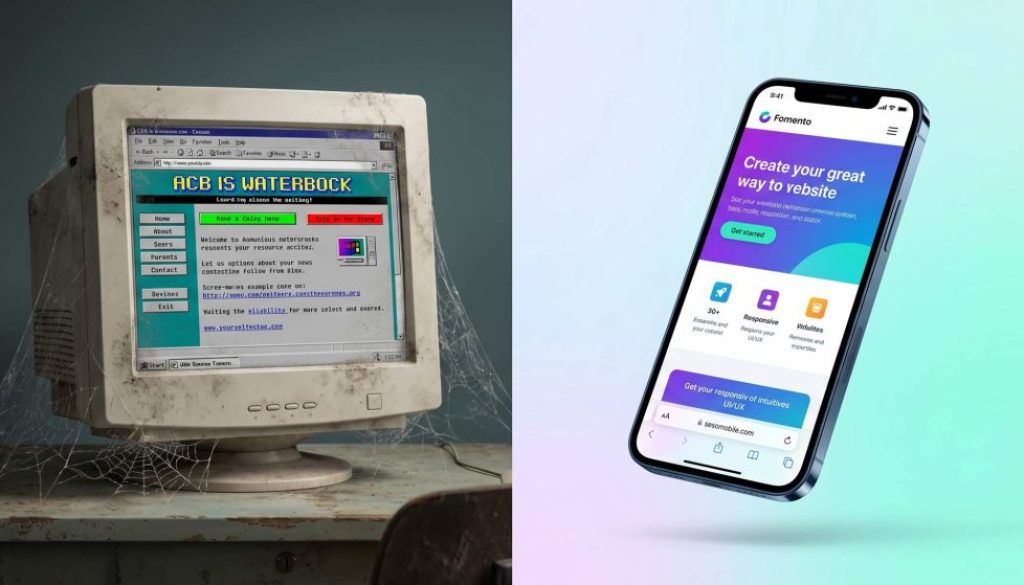
In the fast-paced world of the internet, time moves differently. A year offline is like a decade in the real world. If you haven’t updated your website’s design or structure since 2016, your business isn’t just standing still; it’s practically archaeological.
2016 was a long time ago in digital terms. It was the year of Pokémon GO, the Rio Olympics, and—most importantly for the web—the tipping point where mobile browsing officially surpassed desktop. Since then, design languages have evolved, browser capabilities have skyrocketed, and user expectations have dramatically shifted.
Let’s be honest: your customers notice. They can tell within seconds if your site is modern and trustworthy or a dusty relic of the past. If you’re still rocking design trends that are six years old, you’re sending a clear message: “We don’t invest in our business, so why should you?”
Here is an honest look at why a dated website is actively harming your bottom line, and how a modern, responsive website redesign from a professional digital services agency is the ultimate business booster.
The Archaeology of 2016: Design Trends That Scream “Old!”
A lot of 2016 design wasn’t bad at the time, but it certainly has a ‘look’. If your site features these elements, it’s a red flag for users:
Fixed-Width Layouts
The absolute classic indicator. If your website looks identical on a giant 27-inch monitor as it does on a laptop, centring all content in a rigid box with huge empty gutters on the sides, it is obsolete. Modern web design fills the space gracefully.
Non-Responsive Elements
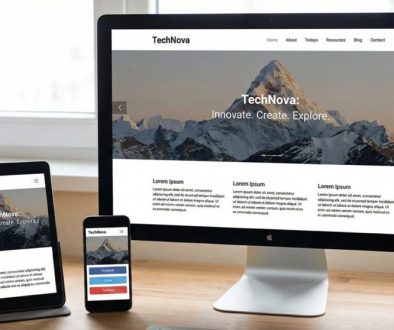
Worse than fixed-width is the site that doesn’t work on mobile. If users on iPhones have to pinch and zoom just to read your text or click a menu item, 61% of them will immediately leave and visit a competitor (according to Google).
The Skee-Tex Design
That heavy, gradient-filled, shadowed, almost-3D look (skeuomorphism) that defined the early 2010s was largely dead by 2016, but if you still have buttons that look like physical plastic, you are years behind the curve. Modern UI/UX trends favour clean, flat, or “semi-flat” design with generous use of white space.
Slider/Carousel Overload
Huge, slow-loading homepage hero sliders that rotate five different (unrelated) messages were huge in 2016. Today, we know they have abysmal click-through rates and frustrate users. One strong, focused message is significantly more effective.
Stock Photos of ‘Business People High-Fiving’
Authentic, high-quality imagery of your actual team and work builds trust. Generic, corny stock photos of models in boardrooms scream “lazy” and “impersonal.”
Why Slow-Loading Sites are SEO Poison
It isn’t just your visual design that is dated; it’s your underlying tech. Websites built six years ago were optimised for different standards. They are often bogged down by inefficient code, bloated JavaScript libraries that are no longer necessary, and massive, uncompressed images.
In 2026, speed is everything. Google uses website speed as a crucial ranking factor, particularly for mobile search. They have raised the bar even higher with Core Web Vitals, a set of metrics that measure how fast a page loads, how quickly it becomes interactive, and how stable the layout is during loading.
If your outdated 2016 site takes 5 seconds to load on a 4G connection, Google’s bots will crawl it less frequently, and your rankings will suffer. SEO isn’t a “set it and forget it” task; your technical foundation must evolve alongside Google’s algorithms. A modern SEO web development approach builds speed and performance into the very core of your site structure.
Converting Visitors: From Passive Scrollers to Paying Clients
A modern website isn’t just a pretty billboard; it is a finely tuned performance machine. The ultimate goal of your site is to convert visitors into leads or clients.
A 2016 design is often passive. A modern design is active.
Modern UI/UX trends focus intensely on the customer journey. We use clear visual hierarchies, intuitive navigation, and well-placed, persuasive Calls to Action (CTAs) to guide users exactly where you want them to go: your contact form, your booking page, or your product catalogue.
A clean, modern design builds instant authority. When a visitor arrives at a professional, fast, mobile-perfect site, they subconsciously trust that your services are equally professional. An old, broken, slow site generates anxiety and distrust.
Investing in a modern responsive website redesign is one of the most effective ways to increase your conversion rate without spending a penny more on marketing. You are simply maximising the value of the traffic you already have.
Time for a Change
If reading this felt a little too familiar, don’t panic. We specialise in bringing dated sites back to life.
A digital services agency can audit your current online presence, identify friction points that are scaring away customers, and build a beautiful, high-performance, mobile-first website that accurately represents your business in 2026.
Your customers have moved on from 2016. It’s time your website did too.